Showing posts with label Steel Tumbling Media. Show all posts

1 Ball Bearing, 7 Pieces, 2 Billion Varieties

At first glance, the design of a ball bearing is clear: an inner ring is mounted with an outer ring, the appropriate balls and retainer. Then, the ball bearing is combined with the lubricant adapted to the requirements of use and, if necessary, a shield to protect against contamination.

 Billion Varieties

Due to the numerous rules and recommendations for installation in the bearing area, the external dimensions of the different ball bearing manufacturers differ only in nuances. The large differences are evident in the internal values ​​of the ball bearing, the materials used for the rings and seals, the number of balls and their diameter, the surface structure and the precision of the profile, as well as the lubricant used.

350,000 RPM separable ball bearing GRW has, as required, three different materials to choose from for ball bearing rings. You can choose between 100Cr6, X65Cr13 (SS) or X35CrMoN15-1 (SV30).

Regardless of whether the customer's focus is on hardness, operating temperature or corrosion resistance, in the hardening process developed by GRW, the desired properties can be specifically invoked and implemented in the internal hardening workshop. In order to obtain additional functional properties of the bearing ring, coatings can also be provided.
Steel Tumbling Media, catalyst balls, forged steel grinding balls, forged steel balls, ceramic grinding media suppliers, Steel Tumbling Media, zirconium silicate beads, catalyst bed support balls

Image result for 1 Ball Bearing, 7 Pieces, 2 Billion VarietiesFor a long time, GRW has invested significant development effort in the coating of ball bearings. The objective of this development is, among other things, to improve tribological behavior or increase corrosion resistance. Whether as a dry lubricant to increase dry running properties or for high vacuum use, GRW offers the best solution for every requirement, with now more than 90 different coating varieties. The most recent development in this area is a hybrid band of metal and plastic (patent: EP000001832765B1). In this way, a metal band is coated with a thin and solid PTFE sheet and then formed into a steel tape retainer. Due to the low coefficients of PTFE friction, ball bearings with the lowest friction moments and excellent dry running life can be achieved with this retention liner.
In addition, the most recent procedures are used through PVD (physical vapor deposition) or CVD (chemical vapor deposition) and meet the highest standards of coating quality. An unwanted dissolution of the coating will result in a serious early bearing failure. Therefore, all coating varieties are subject to strict GRW standards and quality tests.

Torlon Snap Retainer The retainer must hold the balls at the same distance from each other and avoid touching each other. In addition, the retainer must have an appropriate design with defined material strengths and balanced elasticity, to withstand the ball bearing load as well as possible.

In addition to the strict tolerance specifications for GRW ball bearing rings with respect to surface finish, shape accuracy and steel purity, the same requirements apply to the design and production of the retainer. There are 3 basic variants for retainers: inner ring, outer ring or ball-controlled retainer. 

These basic types can be combined with 21 different materials. The material selection covers the entire range, from metal tapes for steel tape retainers to special aviation and spaceflight materials, to chemically coupled “PAI - PTFE-cg” plastic for heavy applications for applications with the most high standards of wear behavior, temperature resistance and sterilization capacity.
grinding balls, milling media, shot peening media, grinding media, stainless steel tumbling media,steel tumbling media, alumina grinding balls, zirconium oxide beads

Related image
Lubricants serve to reduce friction and wear, as well as cooling, shock absorption, sealing effect and corrosion protection. Lubrication can be carried out using greases or oils and / or in special cases solid lubricants. All 3 types are recovered in GRW products. The installation situation of the ball bearing is crucial for the selection of a suitable lubricant. Grease lubrication is recommended for general use at low to medium speeds and, therefore, is the most commonly used type of lubrication. The main part of the lubricating grease consists of base oil and the smallest part consists of the appropriate thickener. The lubrication of the bearings is mainly done with base oil, which releases the thickener in small amounts over time. GRW uses lime soaps, natron soaps, lithium soaps and complex soapy fats.

Oil lubrication is used if grease lubrication cannot be used for technical or economic reasons. This may be the case with high operating temperatures, caused by ambient temperature or frictional heat in the ball bearing. The oils are divided into mineral and synthetic oils. Animal or vegetable oils are not suitable or only suitable to some extent for use in ball bearings. In total, more than 400 lubricants are used in GRW and, therefore, cover a large area of ​​use, from the food industry to aviation and spaceflight.

Various types of shileds in ball bearings Finally, the shield is mounted on the ball bearing as the last component. This should keep the impurities away from the high precision functional surfaces of the bearing and, therefore, produce as little friction as possible. On the other hand, this should keep the lubricant in the bearing. Impurities that get between the ball and the raceway will tip over and damage the processed tracks. To avoid this, contactless protectors and contact protectors are offered, with various sealing qualities.
carbon steel balls, chrome steel balls, stainless steel media, stainless media, zirconium beads

With contactless protectors there is no increase in torque, since the protector creates a separation ring. It does not produce friction and, therefore, can be used even at the highest speeds.

With the contact protector, the so-called ball bearing seal touches the shoulder of the inner ring with a defined contact pressure and, therefore, causes a greater moment of friction. Compared to contactless protectors, all contact protectors will wear out over time. Dust protectors are mainly produced from stainless steel or Perbunan rubber reinforced with steelsheets. The established seals are made of a fiberglass reinforced Teflon disc or a synthetic fluorine rubber reinforced with steel sheets. In total there are 63 shield variants to choose from.
alumina ball, bead media, glass bead media, catalyst media, stainless steel balls

At GRW, individual products are made of these components for the customer's special requirements. Due to a sensible combination strategy of standard and special components, GRW can satisfy the most diverse market requirements and guarantee our customers a competitive advantage.

The extensive and competent advice and design of a ball bearing are the prerequisites for the highest compliance with the established requirements. Even in the development phase of new applications, GRW engineers can provide valuable technical information and, for the most part, also cost savings.

7 TIPS FOR CHOOSING ABRASIVE BLASTING MEDIA

Abrasive blasting, which is the process of using specialized machinery to project or "shoot" media at high speed through a hard surface, can be ideal for removing old finishes. You can also remove rust or prepare the surface to paint.

Image result for ABRASIVE BLASTING MEDIA

Here are 7 tips that can help you choose the best abrasive media for your specific shot blasting applications.

How to choose abrasive abrasive media

Better "soft" than sorry
If you are not sure if the surface you are cleaning can handle a more abrasive material, it is probably best to start with a softer medium. Nutshells or corncobs can be an excellent choice for softer surfaces such as wood, as they do not cause engraving. They also provide the additional benefit of being biodegradable, which makes them one of the most ecological blasting means.

Make it shine with glass beads

Image result for ABRASIVE BLASTING MEDIA
If you are looking for a smooth and shiny finish, glass beads may be your best option. Glass beads are generally made of thin glass of soda lime that exerts minimal stress on the surface material. Glass beads are also recyclable and can be used up to 100 times before replacement, which makes them an extremely cost effective option.

Remove paint with aluminum oxide

Aluminum oxide is harder and sharper than glass beads. It is ideal for use in paint removal and general cleaning applications. It is also frequently used for glass engraving.

Choose plastic for automotive and aerospace applications

The plastic is extremely soft, which makes it an ideal way to remove paint from the surface of fiberglass parts. Fiberglass parts are commonly used in the manufacture of automotive, aerospace and marine products, without engraving or peeling. The use of plastic for blasting also produces very low levels of dust.

Use silicon carbide for quick etching

Silicon carbide provides an extremely aggressive cutting action that is ideal for rapid etching of glass, stone or other hard surfaces. It also works well to remove rust or paint.
steel tumbling media, alumina grinding balls, zirconium oxide beads, carbon steel balls, chrome steel balls, stainless steel media, stainless media, zirconium beads, alumina ball, bead media, glass bead media, catalyst media, stainless steel balls

Find super tough and aggressive steel media

Media made of carbon steel are available in the form of shot. The steel shot is round in shape and can be used for polishing and polishing applications. Steel sand offers a more angular shape and a sharper texture. It can be used to remove rust, paint or flakes from steel surfaces.

Avoid sand

The terms "sandblasting" and "abrasive blasting" are sometimes used interchangeably. However, many companies are moving away from the sand as a means of blasting for several reasons. The sand contains silica, which is known to cause serious respiratory diseases for workers involved in the sandblasting process. In addition, the sand contains a high moisture content that can cause premature disappearance of blasting equipment.

FoxIndustries now offers abrasive blasting among its metal finishing processes. We are also available to provide reliable media selection advice.

Why Size Matters When Choosing Tumbling Media

Size is everything when choosing the right turning medium for a cleaning job. Ultimately, it will have an impact on the overall quality of the cleaning process. But the size of the parts is also important. In general, the media must be able to clean all surfaces of the parts without housing. So, the trick to achieve the best results is to carefully mix the pieces with the correct size media.

However, making that decision may seem like an easy task. In other words, problems may arise when the size of the media and the parties do not match.

Media Size

It is easy to choose the wrong media size when cleaning certain parts. If that happens, the parts could be damaged or the cleaning work will not be successful.

Steel Tumbling Media, catalyst balls, forged steel grinding balls, forged steel balls, ceramic grinding media suppliers, Steel Tumbling Media, zirconium silicate beads, catalyst bed support balls, grinding balls, milling media, shot peening media, grinding media, stainless steel tumbling media
In general, larger media are good for quick deburring or finishing. On the other hand, smaller media will take longer to complete thecleaning work.

Different sizes of flip media

In addition to that, the results of the cleaning or polishing work will differ according to the size of the media. Larger media can damage fragile parts, while smaller media cannot. Similarly, larger media will leave rough marks, while smaller media will have a softer impact.

Sometimes, it is okay to mix media of different sizes to get the best results if only one size is ineffective. That is especially true when using steel means to clean metal parts.

Accommodation

Problems with accommodation are common when it comes to turning means. Typically, these problems occur when media gets stuck in parts that have holes or grooves. In other words, housing problems will surely happen when smaller means are used to clean large parts.

prevent media lodging in parts

As a general rule, the media must be larger than any hole or space in one part. To prevent two pieces from being trapped in an opening, it is better to use media that are at least 70% larger. For example, the angled cutting cylinder means will easily pass through the holes.

The trick is to carefully choose the means that will do the job but will not be hosted in parts.

Use and throw

Constant friction corrodes the turning means. In other words, the media reduce their size due to use for a prolonged period of time. But the speed at which that will happen will depend on the media material. For example, organic media will be reduced in size faster than ceramic media due to wear.
However, means that are gradually reduced can also cause housing problems. Therefore, it is important to keep that aspect in mind as well, as it is easy to ignore.

Parts screening

If the media and parts are similar in size, it can be difficult to separate them after cleaning. In general, the means should be smaller than the parts, but not too small to avoid accommodation. The easiest way to separate parts of the media is to use a screen or a media separator. In some cases, magnets will also do the trick.
Steel tumbling media, alumina grinding balls, zirconium oxide beads, carbon steel balls, chrome steel balls, stainless steel media, stainless media, zirconium beads, alumina ball, bead media, glass bead media, catalyst media, stainless steel balls

A Guide to Vibratory Finishing Media

What is Vibratory Finishing?

The vibratory finish is the final step in the plating process, and includes the grinding of unwanted burrs, smoothing sharp edges and providing a polished finish. The shape, material and size of the vibrating means vary according to the material, shape and strength of the pieces. The choice of the right finishing medium optimizes the quality of your finished product while providing profitable and mass produced results.


Types of Finishing Media

Finishing media materials include:

  • Ceramic
  • Plastic
  • Steel
  • Organic compounds
Other means, such as glass beads, are occasionally used; however, in most cases, their parts will end up using one or more of the four main media types.

Ceramics and Plastic Media

Ceramic and plastic media represent eighty to ninety percent of the finishing media. Ceramic media have a relatively high density and are used to grind and polish hard metals such as steel, stainless steel and titanium. Ceramic media also includes porcelain made of pure aluminum oxide. Porcelain is used for finer grinding and produces a high gloss finish.

Ceramic media is strong and durable, but can splinter. The loose chips in the finishing means can be housed in perforations and other small areas in metal parts.

Plastic media usually have a polyester base, but some media may be based on urea or formaldehyde. Plastic media are generally used for "softer" metals, such as aluminum, brass and zinc.

Both ceramic and plastic media are mixed with abrasives during finishing. Common abrasive types include silica, silicon carbide, aluminum oxide and zirconium. Silica, or sand, is used to debur and thaw softer metals. Silicon carbide and aluminum oxide are used for aggressive grinding, usually in harder metals. Zirconium is added to lighter plastic media to add some weight, and is used to finely grind all types of metals.

Steel and Organic Media

The steel means are made of hardened carbon and stainless steel, and are generally used to apply pressure to the pieces of deburred steel, as well as for the polishing of balls and the polishing of stainless steel (and occasionally aluminum).


Steel Tumbling Media, catalyst balls, forged steel grinding balls, forged steel balls, ceramic grinding media suppliers, Steel Tumbling Media, zirconium silicate beads, catalyst bed support balls, grinding balls, milling media, shot peening media, grinding media, stainless steel tumbling media
At the other end of the steel's resistance spectrum is the organic finishing medium, which includes corncob granules and nutshells. Organic media is mainly used to dry parts after vibratory finishing. It can also be used to produce a high gloss finish in stainless steel, aluminum and other metals when mixed with a polishing paste.

The Importance of Shape

Finishing media come in a variety of sizes, from cylinders and balls to pyramids and sharp-edged stars. The shape of the pieces that are finished generally determines the shape of the finishing medium. For general use, round, oval and cylindrical media are preferred. Rounded surfaces wear well and are less likely to lodge in parts than materials with sharp edges. Round and cylindrical ceramic media also have lower chipping rates.

Triangles, arrowheads and three star shapes are more suitable for finishing complex parts with hard-to-reach sections, but have a higher wear rate and are more susceptible to splintering.

Size also matters when vibrating turning means are selected. Smaller media have more contact with the surface area of ​​the pieces than larger materials and produce a smoother and more attractive surface. Production times are longer for polishing small media, because the smaller finishing material requires smoother processing.
Steel tumbling media, alumina grinding balls, zirconium oxide beads, carbon steel balls, chrome steel balls, stainless steel media, stainless media, zirconium beads, alumina ball, bead media, glass bead media, catalyst media, stainless steel balls
Larger media produce a rougher surface, but lend themselves to more aggressive grinding. The large finishing material provides quick burr removal and is also effective for rounding sharp edges.

Stainless Steel Tumbling Media


Effects of Ball Burnishing Process with Stainless Steel Media

Expectations about manufacturing industries have increased in recent years. Different mechanical processes such as turning, milling, etc. they lead to surfaces with inherent irregularities. Therefore, manufacturing industries face the responsibility of finding improved finishing operations that nullify these effects and improve other properties in these materials.

Surface plastic deformation processes were created to solve these impediments. This process does not involve the removal of material, but rather deforms the surface plastically under compression load. Therefore, it is said that the surface of the component under this external load is subjected to cold work.
Image result for Stainless Steel Media

Burnishing is one of those techniques of surface plastic deformation. It has been around for a long time and has continued to gain general acceptance in today's manufacturing industry.

1. What is burnishing?

Burnishing is a process of surface modification through which smooth surface finishes are achieved. This is possible by planetary rotation of a tool on a turned surface board. In general, burnishing is a cold work process that softens, removes discoloration and polishes a metal surface in a glossy finish that is almost as good as new.

This specifically points to the peaks and valleys contained in all machines or other processed metal surfaces. The burnishing tool is applied with a calculated amount of force. This force drives the materials that until now were at the top to flow into the valleys. This effect will be a reduction in the height of the peak, as well as in the depth of the valley.

This method was first developed in the United States in the 1930s. The burnish was applied in an attempt to impart residual integral tension to layers of various metal parts, specifically the railroad, the automobile axle and the machinery axes. Over the years, it became widely accepted and has found applications in almost every industry in the world.

2. Types of burnishing

This process can be classified into different types according to the type of tool used, the geometry of the pieces in which it works, etc.

Taking into account the geometry of the tools used, the burnishing is further classified into two groups: ball burnishing and roller polishing. However, for the purpose of this article, we will consider ball burnishing, its definition, advantages and application in various industries and businesses in the world today.
Ball polishing: in this type of polishing, one or more spherical balls are supported on the rod by the hydraulic pressure of a fluid, a spring or the relative force of the workpiece. The ball is constantly in contact with the workpiece by means of fluid that circulates through a hydraulic pump. As the tool feeds along the workpiece, the ball is pressed against it, resulting in a burnishing operation.
Depending on the desired effect, the strength of the burnish can be controlled by varying the hydraulic pressure of the fluid.

3. Advantages of ball burnishing

  • This process allows to produce pieces with a high control over the dimension and allowing very precise sizes.
  • Produces a very smooth surface finish
  • It saves costs and is more economical compared to other polishing processes
  • Creates improvements in physical properties and increases the life of the components.

4. Benefits of ball burnishing with stainless steel media

Stainless steel media is particularly popular in surface finishing due to its superior characteristics. This has led him to become the most preferred and widely accepted in industries around the world.
Below are some inherent characteristics that make stainless steel media the most commonly used today:
  • Greater surface pressure and longer media life
  • Shortest Finnish Time
  • Improves the pre-plate finish
  • Reduces porosity in plated parts
  • Economic

4.1 Higher surface pressure and longer media life

If used under appropriate conditions, this medium can last a long time. Obviously, this is because it is not a worn out means of communication. It has a high hardness due to its composition of relatively resistant materials. This feature is excellent for various vibratory flipping applications.

In addition, there is a minimum generation of solid waste during this process. Steel that is a non-consumable medium is not used throughout the operation.

4.2 Shortest Finnish time

Stainless steel turning means are comparatively heavier than other materials used for this process. This substantial weight exerts greater pressure on a mass of components in the vibratory, barrel and flipping finishing equipment. The high surface contact achieved through increased pressure and resistance of the steel means works effectively to shorten the operating time.

4.3 Improves the pre-place finish

The parts that seem smooth are characterized by micro imperfections that cause coating problems. Due to the weight of the steel means, these small irregularities flatten, preparing a surface for a more satisfactory coating.

4.4 Reduces porosity in plated parts

When the plated parts are finished with steel turning means, a compacting action acts downward and extends across the entire surface of the softer plate to fill any "pinhead" hole. This eliminates porosity and causes an increase in corrosion resistance created by the coating process.

4.5 Profitable

The durability of stainless steel media is considered a capital advantage. The finish made with this medium generally lasts longer. The use of stainless steel shots versus plain steel means eliminates the need for rust inhibitors.

5. Success stories in the application of stainless steel burnishing

The burnishing of brass components has become an economical solution to repair the nicks, scrapes and scratches developed by manufacturing. Companies and companies continue to look for better ways to maximize profits and reduce costs. Therefore, they have resorted to polishing as a means through which they can, among other advantages, avoid wear, improve gloss and extend the life of parts and components of the machine.

a) Brass mounting parts

The brass adjustment parts before the ball polishing surface are opaque and dark. With the polishing of balls in stainless steel balls, the surface shines and is cleaned. This product is ready to deliver to the market.

c) Brass stamping parts

  • The left parts below are brass parts before ball polishing, and the right part is after ball polishing. After the turning process, the burrs in the drill hole are flattened. The dirt and oxidation layer is also removed.
  • These are some results of the application of stainless steel polishing processes.
  • Commercial polishing systems have proven useful in extending the shelf life of restaurant businesses.
  • Restoration of beauty and brightness in parts and components used in the automotive industry.
  • Improvement in parts used in aeronautical industries.
  • Repair and restore cutlery and crockery
  • Repair and restore metal plates and a large number of other applications.

6. Conclusion

In this article, we discuss the concept of burnishing and two types of burnishing techniques, which include ball polishing and roller polishing. In mass finishing, we focus on ball burnishing and its advantages. Stainless steel turning means are the most used means in the ball polishing process. 

Later, we list 5 benefits for the process. Finally, we give an example of how the ball polishing process improves the surface conditions of the metal parts.

If you have any questions or need help finishing the surface of the parts, do not hesitate to contact us or simply send an email.

Glass Bead Media


Foxindustries Viscous Materials

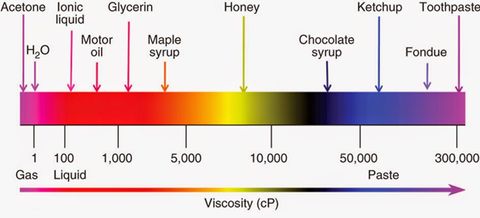
The viscosity of its material will influence the effectiveness of its Foxindustries. Generally, the higher the viscosity, the lower the Foxindustries efficiency. Viscosity ratings for your Foxindustries are often given in centipoise (cP) or millipascal-second (mPas; 1 cP = 1 mPas). The ratings may vary from 1000 cP for simple hand-rotor-stator Foxindustries to 10,000 cP for high-power table models. To quickly estimate the viscosity of your sample, you can compare it with the known viscosity of the common materials shown in the following scheme and see how it compares with the viscosity classification of your Foxindustries.

Image result for Viscous Materials ball mill media

The effect of viscous materials on Foxindustries depends on the type of Foxindustries used, but it is generally true that the higher the output power, the better the mixture of more viscous materials. For probe-based Foxindustries (ultrasonic or rotor stator), the volume that can be processed efficiently decreases significantly (up to an order of magnitude) with increasing viscosity. Mixing cycles should also be kept as short as possible (3 minutes maximum) to avoid overheating the engine.

Generally, the effectiveness of rotor-stator Foxindustries decays rapidly with increasing viscosity. 10000 cP is usually the maximum processable viscosity with rotor-stator Foxindustries. To improve the mixture of viscous samples, separate probe heads can be used. For example, PRO scientific baffle heads are specially designed to improve the Foxindustries of higher viscosity materials. It is advisable to move the rotor-stator as much as possible so that all areas of viscous materials are mixed.
Ultrasonic Foxindustries are somewhat less affected by the viscosity of their material. They are based on pressure waves that create bubbles. The collapse of these bubbles creates energy that disrupts the material and allows mixing. Materials with higher viscosity move less easily than more watery ones and, therefore, exert pressure on the bubbles, which makes the mixture more efficient. This, however, only works up to a certain viscosity. If your material becomes too viscous, it cannot be processed effectively. A good rule of thumb is that "if you can't pour it, you can't sonicate it."

Image result for Viscous Materials

Ball mill Foxindustries are much less suitable for viscous materials, since they use beads to Foxindustries the material. If the accounts cannot pass freely through the material, they cannot Foxindustries it.

High pressure Foxindustries use high pressure to force your sample through small slits. In order for them to work properly, your sample must be fluid enough to be effectively pumped.

There are some vision tricks to overcome some of the difficulties in Foxindustries viscous samples and processing highly viscous materials without significantly diminishing the effectiveness of their Foxindustries. The viscosity of a material decreases with increasing temperature. Therefore, performing Foxindustries at higher temperatures will generally provide better mixing results. It is important to check the decomposition temperature of your material before Foxindustries it at higher temperatures so that it does not destroy your sample. Another way to decrease the viscosity of your material is by adding surfactant and emulsifiers. These can break the internal resistance and allow the material to move more freely and, therefore, become less viscous.

No matter what type of Foxindustries you use, mixing viscous materials will always be more difficult than mixing aqueous mixtures. You can realize this by processing smaller batches of material and, for handheld devices, by moving the mixing head more rigorously to improve Foxindustries. 

Alternatively, you can increase the processing temperature or add surfactants and emulsifiers to your sample to decrease its viscosity.

Bead Mill

Bead Selection for Bead Mill Foxindustries

If you have purchased a bead mill Foxindustries, you may have seen a chart that shows what material and account size should be used for a variety of different samples. In practice, the proper selection of accounts is more multifactorial than can be effectively expressed with a graph that considers the type of sample being processed.

Image result for Bead Mill

Foxindustries Bead Selection:

When selecting an account to use in your homogenization, there are a number of factors to consider:
Sample size / "particle size". For our purposes, a "particle" is any solid mass, it could be a piece of a mineral or a piece of tissue. The larger the particle size, the more momentum will be needed to break it. That requires larger and / or denser accounts.

Resistance of the sample material. The more resistant the tissue, the more momentum will be needed to penetrate it. Therefore, you will need larger and / or denser beads for harder samples.

Desired particle size. While large beads are better for breaking tissue, smaller beads, which are generally present in a much larger number than large beads, create many more collisions and break down particles into smaller sizes. Small beads are preferred if you want to lyse cells and organelles more efficiently, for example. The opposite would be true if you wanted to keep the organelles intact, or if you wanted to recover some viable cells. Just keep in mind that small beads won't help if they can't alter the coarse structure of the particles. In situations involving large and resistant samples where small particle sizes are desired, you can get the best results from a mixture of large and small beads.
Steel Tumbling Media, catalyst balls, forged steel grinding balls, forged steel balls,ceramic grinding media suppliers, Steel Tumbling Media, zirconium silicate beads,catalyst bed support balls, grinding balls, milling media, shot peening media, grinding media, stainless steel tumbling media, steel tumbling media, alumina grinding balls,zirconium oxide beads, carbon steel balls, chrome steel balls, stainless steel media,stainless media, zirconium beads, alumina ball, bead media, glass bead media, catalyst media, stainless steel balls 
Elasticity of the sample material. Highly elastic or rubbery samples are often not homogenized efficiently by round beads, even if they are large and dense, since the beads will simply bounce. Instead, elastic samples may require cutting rather than hitting. Beads that have irregular edges or shapes, or a sharp material such as garnet are more appropriate.

Application / analyte Not all account materials are suitable for all applications. For example, DNA adheres to glass and, therefore, glass beads should be avoided when DNA extraction is required. If you are processing RNA, you may want to use beads that have been pretreated to be free of RNAse. You must also ensure that the cord material is compatible with the reagents used in the foxindustries mixture.


Image result for Bead Mill


The size of the tube / container. This is often not a concern, but it is possible to use beads that are too large for the tube in which it is being homogenized. If an account does not seem to have much room to shake, it is probably too large. For standard 1.5 / 2.0 ml tubes the size of a microtube, that generally means that you should keep the cord size below 4 mm, but there are some special exceptions, such as the use of a large cord with smaller sharp particles to break the elastic fabric.
Foxindustries Bead FAQ:

Can I reuse accounts?

It depends on the grain material. Accounts that are prone to cracking or breaking, such as garnet or glass fragments, should not be reused or reused once at most. The toughest beads, such as zirconium or steel, can be reused. However, in most cases, collecting, washing, sterilizing and reusing accounts is not worth the time and effort. Bulk accounts are usually very cheap.

However, DO NOT reuse the tubes. Over time, the tubes can be structurally compromised due to the many high-speed impacts of the beads inside the tube. Nothing is worse than blowing up a tube inside your Foxindustries.

Can I use accounts from a different manufacturer in my Foxindustries?

Absolutely. The Foxindustries does not know which accounts are being used. You can use accounts from any manufacturer in any Foxindustries, provided they are suitable for the container in which you are homogenizing.

Can I use preloaded account kits from a different manufacturer in my Foxindustries?

Sometimes. Many bead mills use special or patented tubes. For example, Bullet Blenders are only designed to work with specific types of tubes, and the use of a different tube can cause breakage or poor homogenization. Some high-power ball mills, such as Precellys Evolution, have special reinforced tubes that are designed to withstand the impact of the beads. Others, such as BeadBug, announce that their kits are compatible with other devices. In general, the differences in the price of the kits are not huge, so we recommend continuing with the manufacturer of your Foxindustries. If you try other kits, do a dry test to make sure there is no problem with the tubes before adding a sample.

TRIzol / TRI reagent discolors when exposed to stable steel beads for long periods of time. It's okay? Will it affect the quality of my RNA?

As far as we can tell, the consensus is that the discoloration of the TRIzol / TRI reagent is only discoloration; It does not affect reagent performance or affect RNA quality.

Catalyst Bed Support Balls

Grinding Balls and Other Grinding Media: Key consumables

Reducing consumable costs is important for all mining operations, but not at the expense of quality. Grinding media represent low fruit for most miners. Very often, the grinding media in question are grinding balls. In some medium-sized mines, milling means represent approximately 10% of total mining operating expenses (OPEX) and significant savings can be achieved.


Selecting the best quality grinding media balls is considered a key step to reduce mining costs. This publication discusses grinding balls and quality control procedures that can be used to select the best grinding balls for particular applications.

Comminution processes require a lot of energy and are inefficient. Some figures suggest that the comminution is responsible for 1% of world energy consumption. As a result, it is important to maximize performance for a given grinding task. Comminution costs include electricity, grinding balls and coatings. Choosing the best quality grinding media improves comminution efficiency.
Grinding balls make up the bulk of consumable costs. They can represent 40% - 45% of the total cost and directly affect the efficiency and wear of a factory. The loading of the ball consists of grinding balls of various sizes and different qualities of material. Balls of grinding media of poor quality have a negative impact on the entire grinding system. Balls of low quality grinding media are consumed faster, are ground inefficiently and use more electricity.

GRINDING MEDIA APPLICATION


  • Steel ball grinding media are used to extract precious metals in mineral mineral processing. They are most commonly used in the copper and gold industries.
  • The ore particles must go through the process of communion: grinding -> fine grinding -> ultrafine grinding. They are milled to release precious metals from the materials of the bargain before the concentration processes.
  • Grinding or communion is done in mills. The mills are partially filled with steel grinding balls or rods, commonly known as 'grinding media'.
  • The mills must be continuously filled with new grinding balls as the old ones wear out.
  • The choice and consumption of grinding media are mainly related to the volume and characteristics of the mineral (abrasiveness, particle size and specific energy input).

GRINDING BALL USAGE: MEDIA APPLICATION SUITABILITY:

Tower mills: 0.5 "-1.5" grinding balls are recommended. The normal top size of the media used is 10-25 mm, but even smaller grinding balls can be used for very fine grinding.

Isa Mills: <0.1 "grinding balls are recommended. Isa Mill is more efficient when using small media (i.e. high chromium steel balls).

Rotary mills: small cylinders (<1 ") are effective in ultrafine wet milling operations.

SAG mills: 4 "-6" forged steel balls are recommended. Casting balls are not a good choice. Its outer crust is hard (typical Brinell hardness> 450). Molten grinding balls cannot withstand the high impact of the crushing forces of the SAG mill. They are recommended for cement grinding and ultra fine wet grinding operations.

Ball mills: 1 "-4" grinding balls are recommended.

BALL CHARGE QUALITY

You should always try grinding media balls from a new source or supplier. This generally requires testing batches of pilot-scale grinding balls in an industrial mill using the marked ball test. Compare your wear rates with those of your current supplier. For the final evaluation, you may want to perform full load performance tests on one or more milling circuits for a few months.

The factors used to determine the operational use of the quality of the grinding ball include:

  • Friction forces between coatings and balls.
  • Abrasivity of the feeding material.
  • Impact forces in the mill.
  • Susceptibility to corrosion, especially in wet processes.

Steel Tumbling Media, catalyst balls, forged steel grinding balls, forged steel balls, ceramic grinding media suppliers, Steel Tumbling Media, zirconium silicate beads, catalyst bed support balls, grinding balls, milling media, shot peening media, grinding media, stainless steel tumbling media, steel tumbling media, alumina grinding balls, zirconium oxide beads, carbon steel balls, chrome steel balls, stainless steel media, stainless media, zirconium beads, alumina ball, bead media, glass bead media, catalyst media, stainless steel balls

Simulations show that in some cases:

The use of forged steel balls, compared to low density cast steel balls, increases the yield by 2% -4%.
Specific energy consumption is reduced by up to 3.5% (with constant feed / product size).
Forged steel grinding balls achieve considerably better results when tested against other grid media, such as cylpebs, boulpebs or high chromium balls, taking into account the calculation of the total cost of the grinding process.

SAG Mills performance studies show that low quality cast iron grinding balls with porosity result in the production of a significant excess of steel droppings at the SAG factory. If your milling operation is using this type of grinding balls, consider switching to higher quality balls. They offer more economic viability.

Worn balls can be a source of iron, especially if the wear rate is too high. This could lead to the formation of iron sulfides, which can affect subsequent metallurgical processes. Reduced wear rates are essential.

Steel Tumbling Media


Polishing Jewelry or Small Parts with Jewelry Mix

Want to know how to remove scratches and burrs from used, used and new jewelry? Try using a mix of stainless steel jewelry. The mix of stainless steel jewelry is, in short, a means of polishing, but its main purpose is to polish and harden the jewelry. Made in the USA, This jewelry mix is ​​widely used in jewelry and silverware polishing markets. In addition, this medium works exceptionally well with small stamped parts and screw machine parts.


What is the jewelry mix?

The stainless steel jewelry mix is ​​a polishing medium that is a combination of several different forms of stainless steel that offer high corrosion resistance, fast action and durability. This jewelry combination is a standard tool used by many jewelers to eradicate the marks, scratches, burrs and pliers of most soft metal jewels (i.e. gold, copper and silver, etc.). The most important thing is that the jewelry mix works perfectly when used in a rotating barrel or in a vibrating machine.
The composition of the jewelry mix is a combination of 40% 5/32 Eclipse, 40% 1/8 "Diagonal and 20% 1/16" x ½ "Steel Pin. When used together, these shapes are designed to fit to any piece of jewelry.

Shapes

To understand how the jewelry polishing process works, it is essential to understand the different forms of media involved in the process. Each form of medium for mixing stainless steel jewelry is specifically designed to complement any part of a piece of jewelry. When performing a separate but essential task in the polishing process. With each piece combined in a rotating or vibrating machine, the act of polishing a product becomes an effortless process.

Eclipse. The 5/32 ”Eclipse shape is a ball with two flat ends on each side of its poles. The round shape of the eclipse helps create a smooth polish and is widely used among most burnishing applications. Despite its irregular shape, this polishing tool works just as well as a round dial, however, the costs to produce the item are significantly reduced. The price reduction is due to the decrease in the necessary processes necessary for the production of the media. These flat ends are safe for any product.

Diagonal. The diagonal shape is an ideal way to reach the corners of the objects, while its cylindrical shape is designed to cover a wide area.

Legs. Due to its conical ends and its elongated body shape. Pin-shaped means are ideal for reaching grooves, holes and gaps that are difficult to reach. As a result, the pins are suitable for intricate pieces of jewelry.

How does it work?

When used in conjunction with small rotating and vibrating vessels, the stainless steel jewelry mix works by repeatedly contacting the jewelry to give it a shiny and polished look while smoothing annoying burrs on the metal. The unique mix of shapes allows cleaning and polishing complex designs and even chains. This effect is called burnishing.

Steel Tumbling Media, catalyst balls, forged steel grinding balls, forged steel balls, ceramic grinding media suppliers, Steel Tumbling Media, zirconium silicate beads, catalyst bed support balls, grinding balls, milling media, shot peening media, grinding media, stainless steel tumbling media, steel tumbling media, alumina grinding balls, zirconium oxide beads, carbon steel balls, chrome steel balls, stainless steel media, stainless media, zirconium beads, alumina ball, bead media, glass bead media, catalyst media, stainless steel balls

1 Ball Bearing, 7 Pieces, 2 Billion Varieties

At first glance, the design of a ball bearing is clear: an inner ring is mounted with an outer ring, the appropriate balls and retainer. T...